
Case studies · Lessons
44 warnings, then a line burned down
In a blind study DFA grouped 44 of a feeder's 178 faults as one tree contact. Nobody acted, and 23 months later the conductor broke.
- Where
- Blind study, United States
- DFA reported
- The same fault, 44 times
- Faults on the feeder
- 178 in 23 months
- Cause
- Wind pushing vegetation into the conductors
- Outcome
- Conductor broke; wire down, sustained interruption
What DFA reported
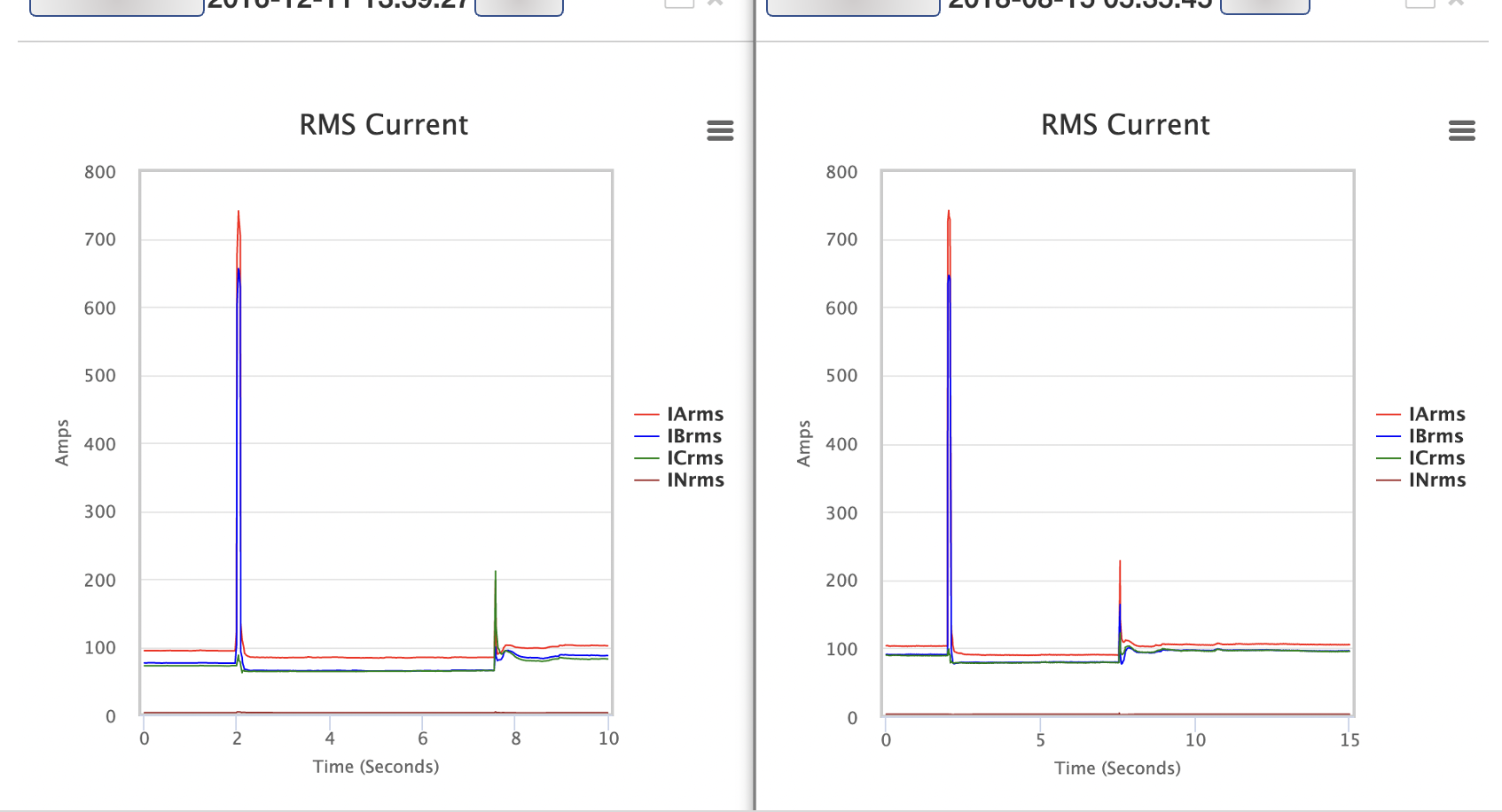
Within days of installation, DFA began flagging a repeating phase-to-phase fault, grouping 44 of the feeder's 178 faults as the same fault at the same place. Researchers tied the faults to wind from one direction at sufficient speed, matched that to a section of line, and recommended a patrol for vegetation pushing the conductors together.
What the crew found
The utility ran the project as a blind study, so nobody acted beyond business as usual. Its communicating reclosers had logged all 178 faults, but nothing in those records showed which ones were related.
Why it matters
The fault kept recurring for 23 months until the damage broke a conductor: a live wire on the ground and a sustained interruption. Acting on the report would almost certainly have prevented dozens of momentary interruptions and the downed conductor.
Keep reading
One clamp, four truck rolls, two good transformers
In a blind study DFA saw a failing clamp 2,333 times in 21 days. Without the report, crews chased it the expensive way.

A glowing substation switch, found within two hours
No calls, no SCADA alarm, normal meters. DFA reported series arcing, and a lineman found the failing switch before two days of storms.

Two blinks a day apart led to a charred crossarm beside a pine forest
Nobody lost power for more than a blink. DFA matched the two faults, and the crew found a conductor burning into its crossarm six spans from the prediction.